The autumn-winter 2026 season marks a turning point in the construction of silhouettes. Saturated color palettes replace the neutrals of quiet luxury, European regulations are reshuffling the production landscape, and the second-hand market is establishing itself as a barometer for upcoming fashion trends. We are witnessing a season where asserting your style relies as much on color choices as on understanding the sector’s transformations.
Textile Regulation and Ecodesign: What Changes for Your Wardrobe
Since July 19, 2026, large companies operating in the European Union can no longer destroy unsold clothing, fashion accessories, and shoes. The European regulation on the ecodesign of sustainable products (ESPR) mandates this. Medium-sized enterprises will be affected starting July 19, 2030.
The impact on in-store offerings is immediate. Brands are tightening their collections, producing smaller volumes, and designing pieces intended to last through multiple seasons. Overstocking now poses both financial and legal risks.
France has also implemented a modulation of environmental contributions targeting brands with the fastest renewal cycles. The prices of low-cost imported items are increasing, narrowing the price gap with higher-quality brands.
We recommend integrating this information into your decision-making. A garment that meets ecodesign standards, even if slightly more expensive, retains its value better, including at resale. To discover the fashion section of Omniz, this framework helps distinguish between sustainable pieces and impulse purchases.
Autumn-Winter 2026 Color Palette: Saturated Hues Replace Neutrals
Recent runway shows documented by Fashion Times (updated September 25, 2026) confirm a clear chromatic shift. Four axes structure the season’s palette:
- Cobalt Blue: worn in a total look or as a statement piece (coat, structured dress), it establishes itself as a saturated neutral capable of replacing black in dressed silhouettes
- Intense Purple: present on knits and accessories, it adds depth without the heaviness of classic burgundy
- Rust Orange: an ideal transitional color between autumn and winter, particularly effective on suede and corduroy textures
- Bright Red: it returns on tailoring pieces (blazer, cigarette pants) and contrasts with the discretion of past seasons
Accumulating these saturated hues does not work. Pairing them with neutral bases (ecru, heather gray, black) avoids visual overload. A single block of color per outfit is enough to anchor the silhouette in the season.
Second-Hand as an Advanced Indicator of Fashion Trends
The resale market exceeds its role as a mere receptacle for discarded pieces. According to an analysis reported by Circular Fashion News on September 2, 2026, searches and favorites recorded on resale platforms allow for identifying decades, artistic directors, and archive pieces likely to influence upcoming collections.
This data flow offers an early signal. Peaks in searches for a specific cut or stylistic era regularly precede the appearance of these references in new collections.
To assert your style this season, tracking the most sought-after second-hand pieces provides a tangible advantage on upcoming trends.
How to Leverage This Trend Practically
Rather than a new piece inspired by a past decade, the original second-hand item guarantees an authentic cut and often a denser fabric than current reissues. For coats and tailoring jackets, the quality-price ratio clearly favors vintage.
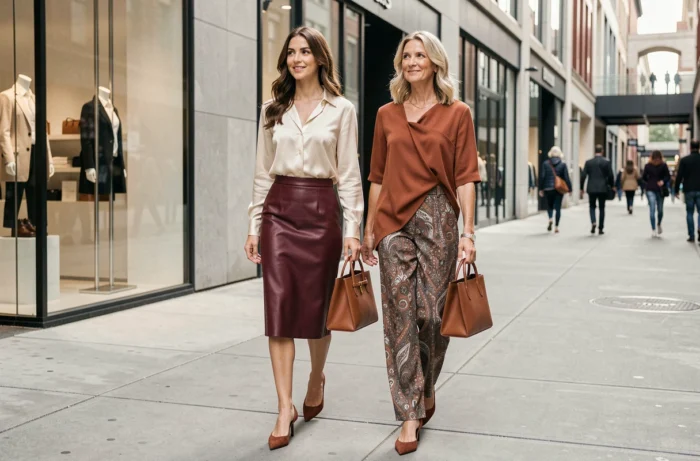
Structured Silhouettes and Volume Contrasts: The Codes to Master
The silhouettes of the fall 2026 season rely on a play of contrasts between volumes and materials. The lines are both structured and enveloping, requiring adherence to a few principles of proportion.
A fitted top calls for a loose bottom, and vice versa. This principle of volumetric contrast guides the entire season. Wide fluid wool pants are worn with a fitted turtleneck. An oversized jacket balances with a straight midi skirt or slim jeans.
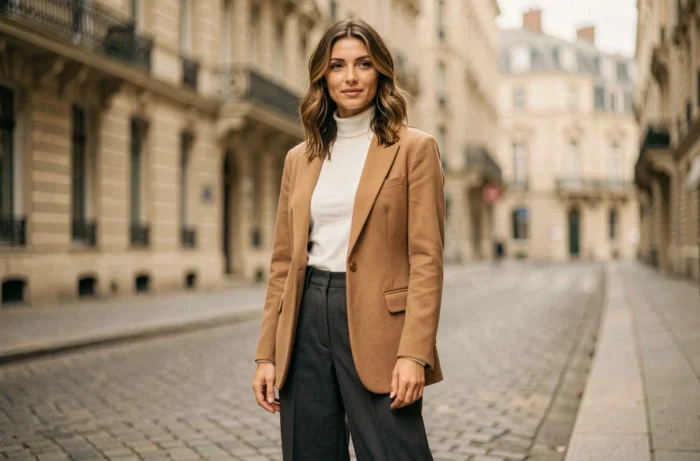
Tailoring gains character without rigidity. Shoulders are defined, and jacket lapels are slightly wider than the previous season. The double-breasted blazer, worn open over a simple t-shirt, summarizes this approach: structure comes from the cut, not from layering.
Materials to Favor This Season
Corduroy returns on pants and short jackets. Thick knits (English ribs, airy cables) dominate the tops of the wardrobe. Wool-cashmere blends offer the best warmth-fall compromise for outerwear.
Fine synthetic materials do not hold structure. On a blazer or coat, the quality of the fabric determines the silhouette’s appearance. Lightweight polyester will never replicate the drape of a properly woven wool.
This season’s fashion trends converge towards a more thoughtful wardrobe: fewer pieces, better chosen, worn longer. Regulations push in this direction, color palettes encourage bold choices, and the second-hand market validates this approach with its search data. Building a personal style now requires understanding these mechanisms as much as having taste.